
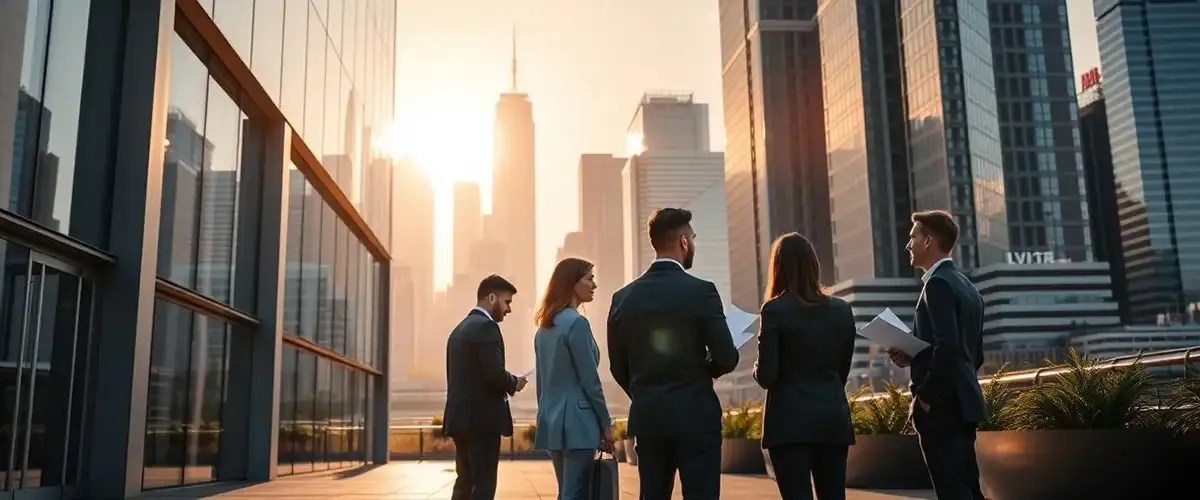
The corporate world in 2026 is witnessing a monumental structural shift as the expansion of technology hubs and professional business parks redefines urban topography. What began as a centralized movement toward city centers has evolved into a sophisticated decentralization, where integrated corporate ecosystems are the new standard. IT park growth is a central force behind this transition, driven by a massive influx of institutional capital and a fundamental change in how global enterprises perceive the workplace. Today, a professional address is no longer just a physical location; it is a high-performance asset designed to foster innovation, productivity, and sustainable growth.
The Architecture of Innovation: Next-Generation Business Parks
The new era of commercial development is characterized by the rise of “Smart Business Districts.” These are no longer isolated office buildings but are fully integrated environments that prioritize the harmony of work and wellness. As technology giants and financial institutions expand their footprints, the demand for Grade-A professional suites has reached an all-time high. These spaces are engineered with advanced building management systems that optimize energy consumption, air quality, and digital connectivity, making them the preferred choice for multinational corporations.
One of the most significant trends in this expansion is the integration of flexible layouts. Modern business parks now offer a blend of traditional corporate headquarters and agile co-working zones. This hybrid approach allows businesses to scale their operations dynamically, ensuring that the physical workspace can adapt to the evolving needs of a global workforce. The emphasis has shifted toward creating “human-centric” designs, where expansive glass facades maximize natural light and open-plan configurations encourage collaborative networking.
Regional Growth Corridors: Bridging the East and West
The geographic expansion of IT corridors is effectively bridging the gap between historical financial districts and emerging suburban nodes. Across major metropolitan regions, we see a clear trajectory where professional activity is moving toward well-connected corridors that offer superior transit links. The strategic placement of these parks near major expressways, high-speed rail links, and international airports has created a seamless logistical network.
This movement has allowed the West and East segments of major cities to merge into a single, cohesive economic zone. Enterprises are gravitating toward these locations because they offer a perfect balance of accessibility and infrastructure. The proximity to transit hubs ensures that a diverse and skilled talent pool can commute with minimal friction, which is a decisive factor in long-term corporate retention strategies.
The Synergy Between Professional Spaces and High-Street Retail
A defining feature of the 2026 commercial landscape is the blurring of lines between professional and social environments. As IT park growth accelerates, modern IT parks are incorporating vibrant high-street retail zones within their perimeters. These retail outlets, ranging from gourmet cafeterias and wellness centers to branded showrooms, cater to the thousands of professionals who inhabit these ecosystems daily.
- Integrated Retail Footfall: The presence of corporate offices ensures a steady stream of organic footfall for retail brands throughout the week.
- Lifestyle Integration: Professional occupants now expect on-site access to premium facilities, including fitness centers, childcare, and leisure zones.
- Banquet and Networking Hubs: High-end business parks are increasingly featuring sophisticated banquet halls and meeting suites for global conferences and corporate events.
This symbiotic relationship between office and retail assets enhances the overall value of the property, driving higher rental yields and ensuring long-term occupancy stability.
Infrastructure and Sustainability: The Dual Pillars of Value
As institutional investors and Real Estate Investment Trusts (REITs) increase their exposure to the commercial sector, the focus on ESG (Environmental, Social, and Governance) standards has become paramount. Modern professional parks are at the forefront of this green revolution. From sophisticated rain water harvesting systems to solar-powered common areas, the commitment to sustainability is evident in every structural detail.
Furthermore, the “Infrastructure Catalyst” remains the most potent driver of capital appreciation. The development of new metro lines and sea-link connectivity has unlocked the potential of previously secondary markets. These infrastructure updates have transformed these areas into primary professional hubs, offering businesses a chance to secure world-class assets at a time when growth is still in its early exponential phase.
Long-Term Capital Appreciation and Investment ROI
For visionary investors, the expansion of IT and business parks represents a high-yield value proposition. The scarcity of Grade-A inventory in prime corridors, coupled with the rising demand from the technology and BFSI sectors, has created a robust pricing environment. Unlike other asset classes, commercial property in a thriving business park offers a stable, long-term income stream with significant potential for capital gains.
Legal transparency and developer credibility have become the cornerstones of investor confidence. Projects that boast full regulatory compliance and clear title deeds are attracting the lion’s share of global investment. As the professional landscape continues to mature, those who hold assets in these innovation-led ecosystems are positioned to reap the rewards of a resilient and expanding global economy.
Secure Your Professional Future
Elevate your brand presence in the world’s most prestigious business parks. Contact our senior real estate consultants today for exclusive project walkthroughs and high-yield investment strategies.
Call Now: +91 8624040557
Official Link: www.jvinfra.in/projects/aura-vertex