
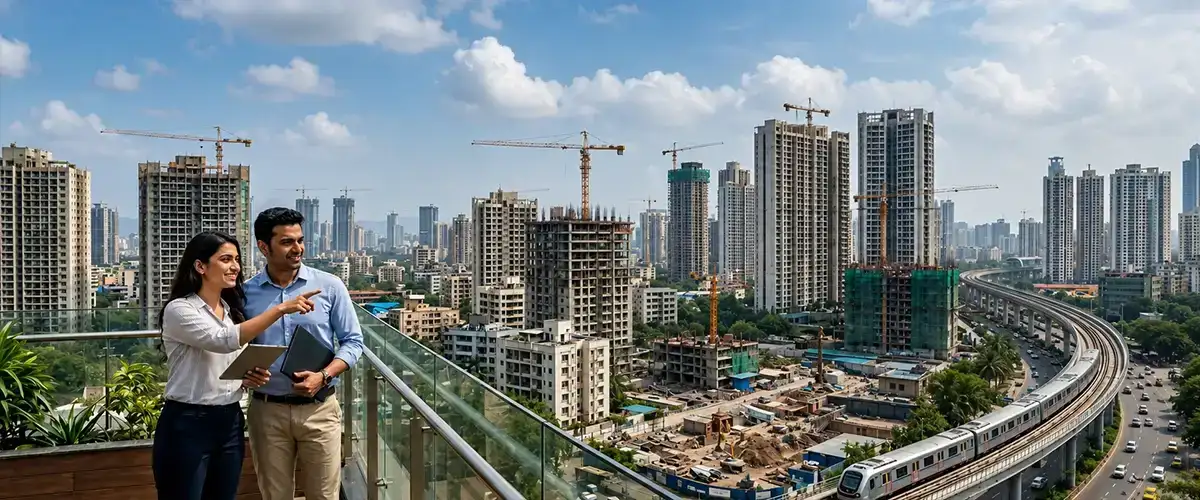
Modern homebuyers no longer choose a property based only on the apartment itself. Today’s purchasing decisions are strongly influenced by the quality of surrounding infrastructure, ease of daily travel, employment opportunities, and access to essential services. As urban development continues to expand across the Mumbai Metropolitan Region, Thane West has emerged as one of the most preferred residential destinations because of its rapidly improving infrastructure and balanced urban planning.
For both homebuyers and long-term investors, understanding how infrastructure influences property value is just as important as evaluating the home itself. Well-planned transport networks, commercial expansion, and social infrastructure create stronger demand, better liveability, and sustainable appreciation over time.
Why Infrastructure Matters in Residential Real Estate
Infrastructure forms the foundation of a successful residential market. Efficient transportation, reliable civic facilities, educational institutions, healthcare services, and employment centres all contribute to a neighbourhood’s long-term growth.
Areas that continue receiving public and private investment generally experience:
- Higher residential demand
- Better quality of life
- Improved accessibility
- Stronger rental demand
- Consistent capital appreciation
- Greater confidence among homebuyers
Instead of reacting to current market trends alone, experienced buyers often evaluate where future infrastructure investments are taking place before making a purchase.
Better Connectivity Creates Better Living
Daily commuting remains one of the biggest concerns for urban families. Locations that offer smooth connectivity to workplaces, schools, shopping destinations, and transport networks naturally become more desirable.
A well-connected residential neighbourhood should provide convenient access to:
- Railway stations
- Metro corridors
- Major highways
- Public transport
- Business districts
- Commercial centres
Reduced travel time not only improves everyday convenience but also enhances the long-term attractiveness of the locality for future buyers.
Metro Expansion is Reshaping Residential Demand
Metro connectivity has become one of the strongest drivers of real estate growth across metropolitan cities. Areas connected to upcoming metro corridors often witness increased buyer interest due to faster travel, improved accessibility, and reduced dependence on private vehicles.
The benefits of metro infrastructure include:
- Faster daily commuting
- Better city-wide connectivity
- Reduced traffic congestion
- Increased demand for nearby housing
- Enhanced property values over time
For many buyers, proximity to a metro station has become an essential consideration while shortlisting residential developments.
Road Network Improvements Support Everyday Mobility
An efficient road network directly impacts the quality of urban living. Wider roads, upgraded junctions, flyovers, and improved traffic management reduce travel time and improve accessibility across the city.
Important infrastructure that contributes to residential growth includes:
- Express highways
- Ring roads
- Flyovers
- Link roads
- Bus connectivity
- Internal road upgrades
These improvements support both residential communities and commercial developments, creating a more balanced urban ecosystem.
Commercial Growth Generates Residential Demand
Employment opportunities remain one of the biggest reasons people choose a residential location. As business districts, IT parks, and commercial centres expand, nearby housing demand naturally increases.
Professionals often prefer homes that reduce travel time while providing access to workplaces and essential services. This creates a healthy balance between employment growth and residential development, supporting both occupancy and long-term appreciation.
Social Infrastructure Builds Everyday Convenience
A neighbourhood becomes truly liveable when essential services are easily accessible. Modern homebuyers increasingly prioritise locations that provide everything required for daily life within a short distance.
Key social infrastructure includes:
- Reputed schools
- Colleges
- Multi-speciality hospitals
- Shopping centres
- Restaurants
- Supermarkets
- Banks
- Parks
- Fitness centres
Strong social infrastructure improves convenience while making residential communities more attractive for families.
Planned Urban Development Creates Long-Term Value
Residential markets perform better when supported by systematic urban planning. Sustainable development encourages balanced growth rather than overcrowding.
Important indicators include:
- Planned residential zoning
- Green spaces
- Public utilities
- Stormwater management
- Smart traffic planning
- Public transport integration
- Community infrastructure
These elements contribute to a healthier living environment while protecting long-term property values.
Buyer Confidence Grows with Infrastructure Investment
When governments and private developers continue investing in infrastructure, buyers gain greater confidence in the future of the locality. Improved connectivity, expanding commercial activity, and upgraded public facilities often translate into sustained housing demand.
Rather than viewing infrastructure only as a convenience, experienced investors recognise it as one of the strongest indicators of future residential performance.
A location supported by continuous development is generally better positioned to attract end-users, tenants, and long-term investment, making it a preferred choice for those seeking both lifestyle benefits and financial growth.
Explore Well-Connected Residential Opportunities
Choosing a home in a location backed by strong infrastructure is an investment in both your present lifestyle and future financial security. Before making a buying decision, evaluate connectivity, public infrastructure, neighbourhood development, and long-term growth potential to ensure your investment continues delivering value for years to come.
If you’re looking for a premium residential address in a well-connected neighbourhood, our team can help you explore the latest project details, arrange a site visit, provide updated pricing, and guide you through every stage of your home-buying journey.
Visit: www.jvinfra.in/projects/panache-thane
Call: +91 9860949793
Connect with our property experts today to discover residential opportunities backed by excellent infrastructure, strategic connectivity, and promising long-term growth.